
Psychoanalysis and The Project for a Scientific Psychology: Trauma, Dissociative Multiplicity, and Clinical Narratives in Dialogue with Neuroscience (In-Person)
Despite Freud’s privileging of fantasy as the substrate for pathogenesis and his earlier conviction that his theories would be just placeholders for later data derived from biology, the marriage of early psychoanalytic principles— hypnotic state work and talk therapy—with current neuroscientific principles has emerged as treatment mainstays of the dissociative disorders.
Join us for the 2026 Annual Adam Corneel Major Teachers of Psychotherapy Lecture
Saturday, March 21, 2026
9:00-12:30 PM EST
This event will be held in-person at BPSI and live streamed via Zoom.
Psychoanalysis and The Project for a Scientific Psychology: Trauma, Dissociative Multiplicity, and Clinical Narratives in Dialogue with Neuroscience
Despite Freud’s privileging of fantasy as the substrate for pathogenesis and his earlier conviction that his theories would be just placeholders for later data derived from biology, the marriage of early psychoanalytic principles— hypnotic state work and talk therapy—with current neuroscientific principles has emerged as treatment mainstays of the dissociative disorders. The DSM-5 describes these patients as talented, high-functioning, and creative members of our patient rosters. However: because the clinical manifestations of dissociative disorders are often subtle and require active inquiry to elicit the internal landscape of self-states and their interrelatedness, many treaters miss the diagnosis altogether. The diagnostic confusion is despite a robust psychoanalytic knowledge base from both longstanding and contemporary psychoanalytic thinkers, as well as from new advances in neuroscientific diagnostic and treatment correlates.
In keeping with the spirit of the Corneel Lecture’s mission to create bridges between BPSI and McLean Hospital, this lecture will incorporate innovative, rigorous clinical research on the study of trauma and the dissociative disorders at McLean. It is our hope to bring these two communities together to support each other in the accurate diagnosis and treatment of these rewarding patients.
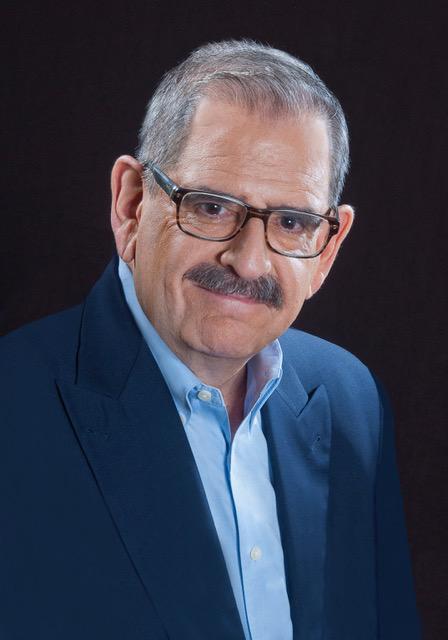
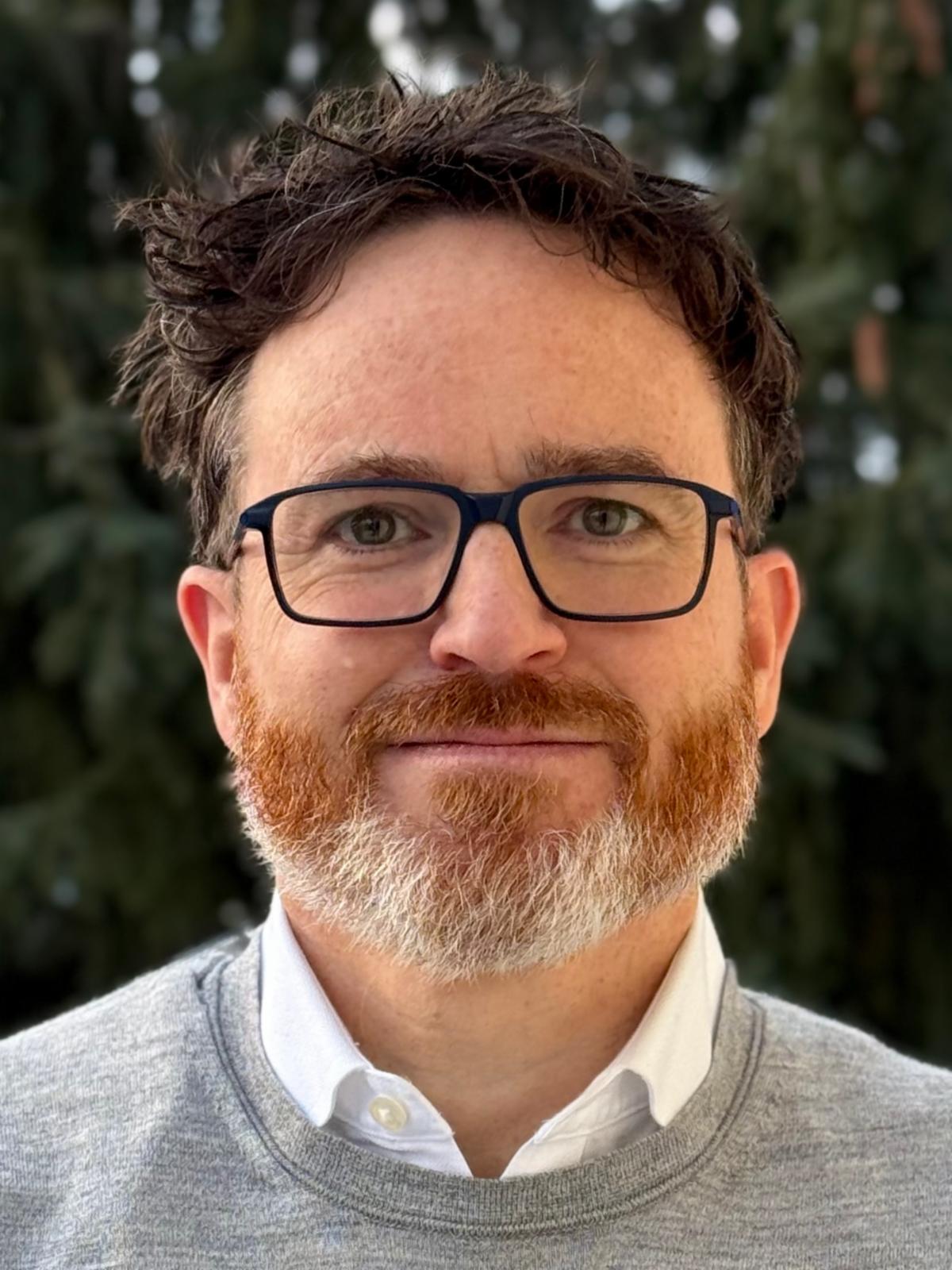
Drs. Kaufman and Lebois will present their work on current neuroscientific knowledge and derivative adjunctive treatment strategies. Their discussion will be followed by two analysts, Drs. Cladouhos and Itzkowitz—one child and one adult from the interpersonal/relational school—who will elaborate on historical context, present case descriptions, and discuss ways to ensure that the diagnosis is made and that the treatment is appropriate. Both analysts will describe the challenges and rewards these patients bring to treatment as well as countertransference difficulties—isolation, vicarious trauma, and shame—posed by the ongoing marginalization of the diagnosis itself. These painful feelings often mirror the experience of the patient but should no longer limit the effective, perhaps collaborative treatment of what we might call our earliest psychoanalytic mission—to treat creative adaptations to extreme forms of trauma.
Speakers
|
|
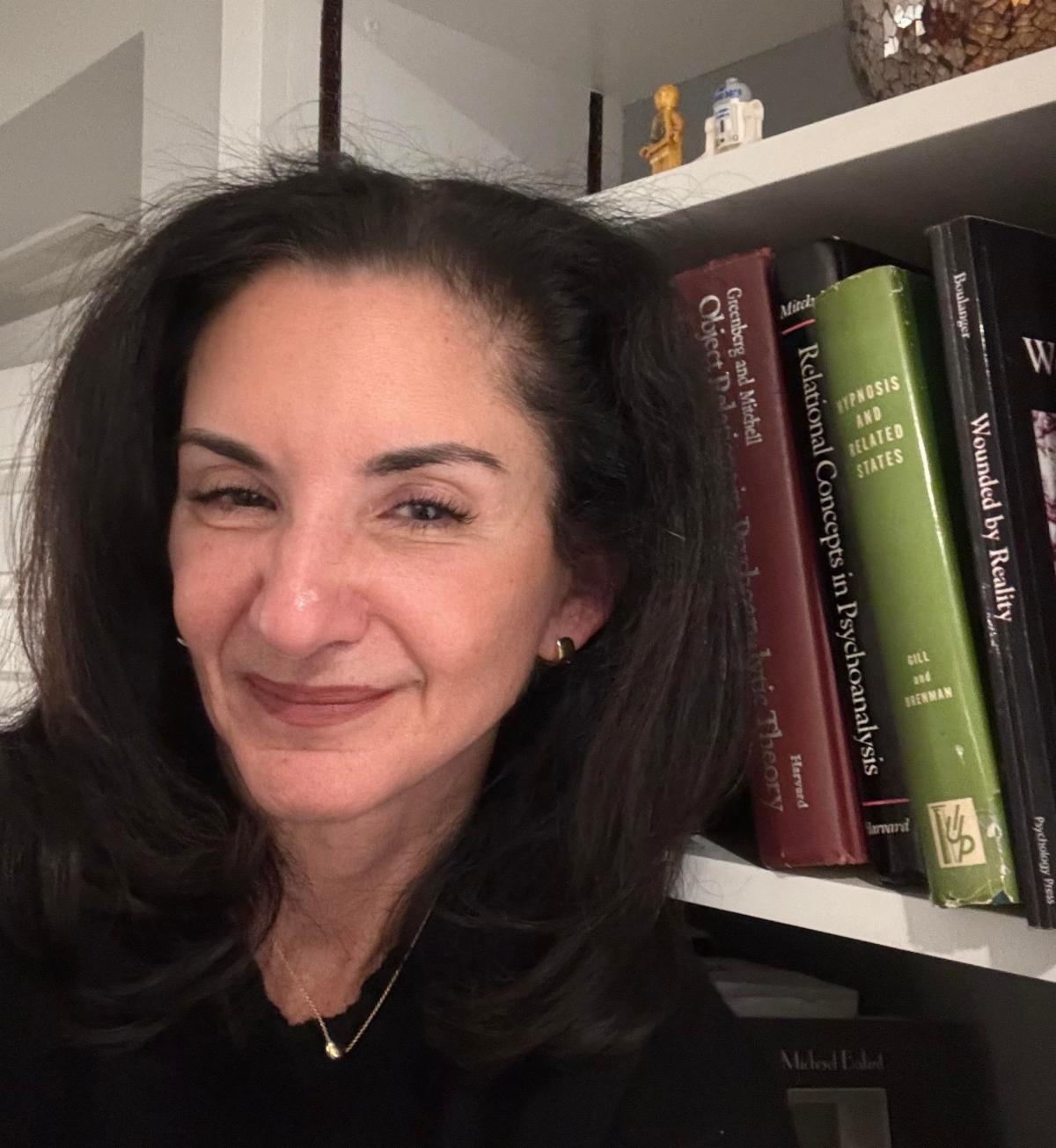
Charis Cladouhos, MD is a child, adolescent, and adult psychiatrist and psychoanalyst with an interest in the treatment of trauma and the dissociative disorders. She is trained in EMDR, DBR, Ketamine and MDMA assisted psychotherapy. A faculty member and child supervising analyst at the Boston Psychoanalytic Society and Institute and Tufts University School of Medicine, she is Chair of the Psychoanalytic Special Interest Group for the International Society for the Study of Trauma and Dissociation. Dr. Cladouhos has taught courses at BPSI on Developmental Trauma and Psychedelic Assisted Psychotherapy and has been interviewed by the On the Couch IPA podcast on the topic of psychoanalysis and psychedelic assisted therapy. She has been course director of the Healer’s Art Elective at Tufts University School of Medicine and organized the first hospital sponsored retreat for physicians at Tufts Medical Center during the pandemic. Dr. Cladouhos has a private practice in Waban, Massachusetts.
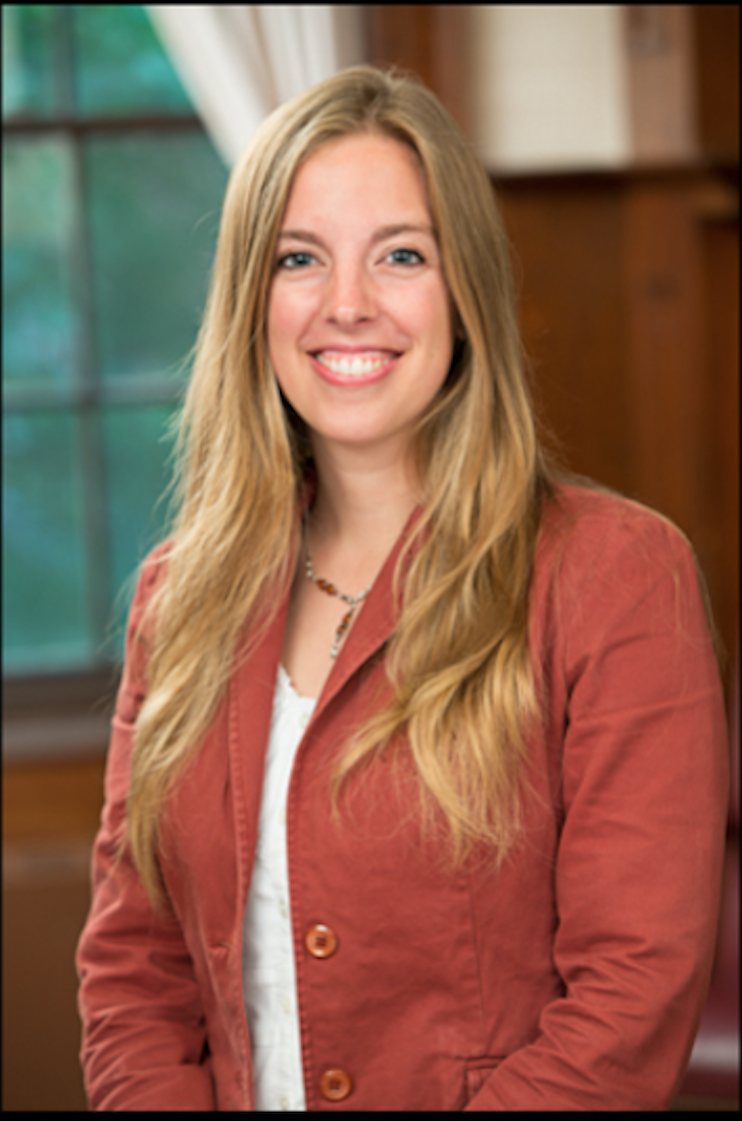
Milissa Kaufman, MD, PhD is Associate Professor of Psychiatry at Harvard Medical School and the Kingdon Saylor Endowed Director of Trauma Programs at McLean Hospital. She serves as Founding Director of the Dissociative Disorders and Trauma Research Program and Medical Director for the Trauma Continuum of Clinical Care. After earning her MD/PhD at Boston University and completing her psychiatry residency at the MGH/McLean Program, Dr. Kaufman’s career has been dedicated to understanding and treating trauma-related and dissociative disorders. Together with Dr. Lauren Lebois, her federally funded research examines the neurobiology of PTSD and dissociative identity disorder, aiming to identify biomarkers of dissociation and recovery. A Distinguished Fellow of the International Society for the Study of Trauma and Dissociation, she chairs the ISSTD Scientific Committee and has been recognized nationally with numerous awards for her work as a clinician, researcher, educator, and mentor.
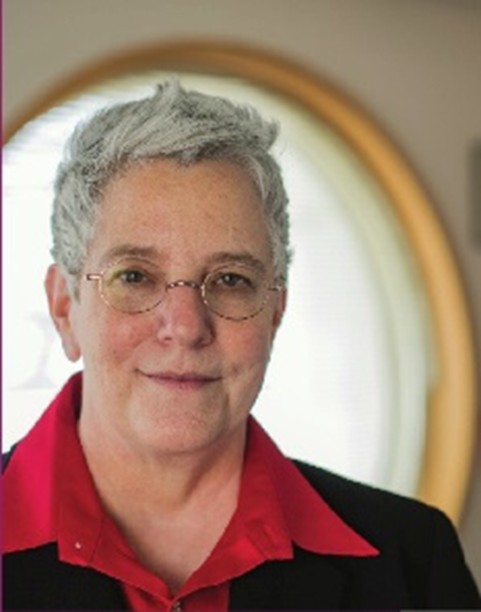
Lauren Lebois, PhD is a cognitive neuroscientist dedicated to understanding how the mind, brain, and body adapt following trauma. She is an Assistant Professor of Psychiatry at Harvard Medical School and Co-Director of the Dissociative Disorders and Trauma Research Program at McLean Hospital. Her NIMH-funded research focuses on the neurobiology of dissociation in trauma-spectrum disorders like posttraumatic stress disorder and dissociative identity disorder and its implications for treatment. She is the immediate past chair for the Scientific Committee of the International Society for the Study of Trauma and Dissociation (ISSTD) and she serves as Operations Co-Director of McLean’s Initiative for Integrated Trauma Research, Care, and Training. Her work has been recognized with McLean’s Alfred Pope Award, ISSTD’s Pierre Janet Writing Award, and the Morton Prince Award. Dr. Lebois is committed to advancing science that reduces stigma and improves care for trauma survivors.
|

Learning Objectives
At the conclusion of this program participants will be able to:
- Describe the history of marginalization and recent awareness of dissociative disorders and their treatment.
- Identify both overt and covert symptoms of dissociative multiplicity including both medical and psychiatric conditions.
- Summarize classic PTSD, the dissociative subtype of PTSD, and dissociative identity disorder (DID) based on core clinical features.
Schedule
8:45 Coffee
9:00 Presentations by Drs. Kaufman and Lebois
10:15 Break
10:30 Presentations by Drs. Cladouhos and Itzkowitz
12:00 Discussion with audience
12:30 Program ends
|

This program was planned in collaboration with McLean Hospital and is made possible through the generous support of the
Corneel family as well as BPSI members and friends.
References
- Kluft, R. P. (2019). Freud's Rejection of Hypnosis: Perspectives Old and New:Part III of III-Toward Healing the Rift: Enriching Both Hypnosis and Psychoanalysis. The American journal of clinical hypnosis, 61(3), 208–226.
- Purcell, J. B., Brand, B., Browne, H. A., Chefetz, R. A., Shanahan, M., Bair, Z. A., Baranowski, K. A., Davis, V., Mangones, P., Modell, R. L., Palermo, C. A., Robertson, E. C., Robinson, M. A., Ward, L., Winternitz, S., Kaufman, M. L., & Lebois, L. A. M. (2024). Treatment of dissociative identity disorder: Leveraging neurobiology to optimize success. Expert Review of Neurotherapeutics, 24(3), 273–289.
- Lebois, L. A. M., Ross, D. A., & Kaufman, M. L. (2022). “I am not I”: The neuroscience of dissociative identity disorder. Biological Psychiatry, 91(3), e11–e13.
- Howell, E. F. & Itzkowitz, S. (2022). The unconscionable in the unconscious: The evolution of relationality in the treatment of trauma. In M.J. Dorahy, S.N. Gold, & J.A. O’Neil (Eds.), Dissociation and the dissociative disorders: Past, present, future (2nd ed., pp. 728-745). Routledge.
- Kluft, R. P. (2022). Encountering the Singularities of Multiplicity: Meeting and Treating the Unique Person. In M. J. Dorahy, S.N. Gold, and J.A. O’Neil (Eds.), Dissociation and the dissociative disorders: Past, present, and future (2nd ed., pp. 687-712). Routledge.
- Howell, E. F., & Itzkowitz, S. (Eds.). (2016). The Dissociative Mind in Psychoanalysis: Understanding and Working With Trauma. Routledge.
Recording
Parts of this event will be recorded. The video may also be used for educational purposes or made available for purchase. If you do not wish to be recorded, please turn your camera off.
By registering for this event, you grant permission to BPSI to the rights of your images, in video or still, and of the likeness and sound of your voice as recorded on audio or video.
Continuing Education
Physicians: This activity has been planned and implemented in accordance with the accreditation requirements and policies of the Accreditation Council for Continuing Medical Education (ACCME) through the joint provider ship of American Psychoanalytic Association and The Boston Psychoanalytic Society and Institute . The American Psychoanalytic Association is accredited by the ACCME to provide continuing medical education for physicians.”
The American Psychoanalytic Association designates this Live Activity for a maximum of 3 AMA PRA Category 1 Credit(s)™. Physicians should claim only the credit commensurate with the extent of their participation in the activity.
DISCLOSURE STATEMENT: The APsA CE Committee has reviewed the materials for accredited continuing education and has determined that this activity is not related to the product line of ineligible companies and therefore, the activity meets the exception outlined in Standard 3: ACCME's identification, mitigation and disclosure of relevant financial relationship. This activity does not have any known commercial support.
Psychologists: The Boston Psychoanalytic Society and Institute is approved by the American Psychological Association to sponsor continuing education for psychologists. The Boston Psychoanalytic Society and Institute maintains responsibility for this program and its content. This course offers 3 hours of CE credits for psychologists.
Social Workers: Application for social work continuing education credits has been submitted. Please contact us at team@bpsi.org or 617-266-0953 for the status of social work CE accreditation.
Please note: Per NASW requirements, social workers must attend 80% of a course in order to be eligible for continuing education credit.
 |
Licensed Mental Health Clinicians: The Boston Psychoanalytic Society and Institute (BPSI) has been approved by NBCC as an Approved Continuing Education Provider, ACEP No. 6913. BPSI is solely responsible for all aspects of the programs. This program offers 3 NBCC Clock Hours. |
Event Cancellation Policies & Procedures
Any program participant requesting their individual program registration be canceled must submit their request in writing via email to BPSI Office at team@bpsi.org. For fee-based events, a request for cancellation (and refund using the original form of payment) must be received no later than 48 hours in advance of the event. Requests received later than 48 hours prior to the event will not be processed or accepted. All approved refunds are subject to a $10.00 administrative fee. If BPSI cancels an event, all registrants will receive a full refund of fees paid (no administration charge) no later than two business days following the scheduled date of the event, using the original form of payment.
Grievance Policy
Please address any questions or concerns about your experience at this or any program or event you have attended at the Boston Psychoanalytic Society and Institute to the Program Chair, via the Administrative Team, BPSI,141 Herrick Road, Newton Centre, MA 02459; team@bpsi.org; 617.266.0953.
The Boston Psychoanalytic Society and Institute, Inc.,141 Herrick Road, Newton Centre, MA 02459, does not discriminate on the basis of race, creed, color, sex, age, sexual orientation, national origin or handicap in the admissions, administration of its educational programs, scholarship programs or employment.

